
Shani Sade Sati Remedies: Rudraksha, Neelam & Shani Upay
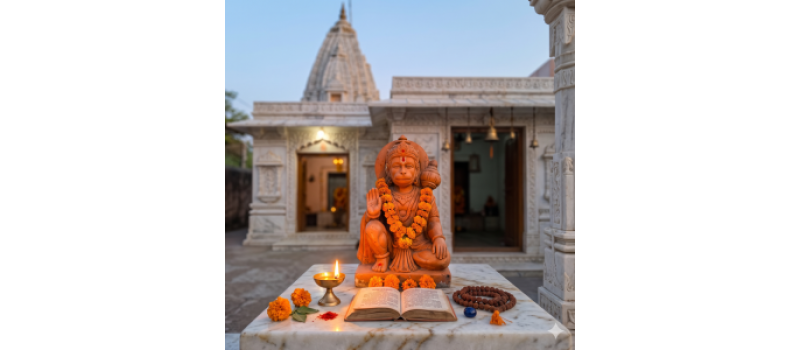
Shani Sade Sati Remedies:
Rudraksha, Gemstones and Practical Steps That Help
Maybe your career has slowed
down, money feels tight, a marriage proposal is delayed, and an elder at home
says, "Beta / Beti, your Sade Sati has started." Suddenly, it feels
like every small problem is Saturn's doing.
If this feels familiar,
pause and take a breath. Many people get anxious when they hear about Sade
Sati, but Vedic astrology says it is not equally tough for everyone. Your birth
chart matters, and many people go through this time without any crisis. Some
even experience strong growth.
This guide shares practical
Shani Sade Sati remedies, including prayer, charity, Rudraksha, gemstones, and
daily habits. You'll learn what tradition says, where sellers add their own
claims, and how to follow Shani Sade Sati ke upay without spending too much.
What Is Shani Sade Sati and
Shani Dhaiya?
Sade Sati is the
seven-and-a-half-year period when Saturn (Shani) passes through the sign before
your Moon sign, your Moon sign, and the sign after it. Each stage lasts about
two and a half years, so it has three phases: rising, peak, and setting.
Shani Dhaiya is shorter. It
lasts two and a half years, when Saturn is in the 4th or 8th sign from your
Moon sign. Some astrologers count other positions too, so definitions vary.
Traditionally, both are
counted from your Moon sign (rashi), not your Sun sign. First, check your Moon
sign in your birth chart.
For Shani Sade Sati 2026,
Panchang sources checked on 25 October 2026 place Saturn in Meena (Pisces). So
Mesha (Aries) is in the first phase, Meena in the peak phase and Kumbha
(Aquarius) in the final phase. Dhaiya applies to Dhanu (Sagittarius) and Simha
(Leo).
Simple Shani Sade Sati
Remedies You Can Follow at Home
Every benefit mentioned in
this article is a traditional belief, not a scientifically established fact.
Still, most of these habits are free, calming and good for you. You do not need
to do everything.
Prayer and Mantras
The Hanuman Chalisa
is among the most commonly recommended prayers. Devotees recite it on Tuesdays
and Saturdays, believing Hanuman helps them face difficulties related to Saturn.
Some also read Sundarkand or Bajrang Baan and offer sindoor,
jasmine oil, a flag or sweets at a Hanuman temple. These are optional acts of
devotion, not guarantees of protection.
For Shani mantra chanting,
many people repeat "Om Sham Shanaishcharaya Namah" or the Shani Beej
Mantra, "Om Praam Preem Praum Sah Shanaishcharaya Namah," 108 times
on Saturdays. Some also recite the Shani Chalisa or Dasharatha Krita
Shani Stotra.
Shiva worship is
another tradition. Devotees offer water and black sesame at a Shivling and
chant "Om Namah Shivaya" or the Mahamrityunjaya Mantra,
sometimes using a Rudraksha mala.
Choose a practice you can
manage and try to keep it regular.
Saturday Charity, Lamps and
Fasting
Saturday charity is a widely
suggested Shani remedy. Traditional donations include black sesame, black urad
dal, mustard oil, dark clothes, blankets, footwear and iron utensils. Give
useful items to people who need them, without stretching your budget.
Another custom, called Chhaya
Daan, involves looking at your reflection in a bowl of mustard or sesame
oil with a coin, then donating the oil. Offer it only where it can be accepted
and used safely.
Peepal worship is
another Saturday tradition. Some people offer water in the morning or loosely
wrap raw cotton thread around the trunk seven times. In the evening, they light
a mustard- or sesame-oil lamp and walk around the tree seven times. Customs can
vary by family and region. Don't tie the thread tightly, harm the tree, pour
oil on its roots, or leave a flame unattended.
Some people fast on
Saturday, eating only fruit or one simple meal after the evening puja. Rules
vary for everyone, and there is no single right way. If you have a health
condition, are pregnant, or take regular medicines, check with your doctor
first or choose a lighter option.
Kindness in Daily Life
Traditional advice about
Saturn often focuses on discipline and service. Pay labourers and
sanitation workers fairly and on time. Respect parents, elders and people with
disabilities. Keep your surroundings clean, watch your words, control anger and
admit mistakes. Some families also prefer simple sattvic food and leaving footwear
outside. These habits may improve everyday life, whether or not you follow
astrology.
Feeding crows, dogs, cows,
and other animals is also part of folk remedies. Some traditions suggest giving
roti to cows, dogs, and crows, grains to ants, or food to monkeys. Feed animals
responsibly, in safe places, follow local animal-welfare advice, and clean up
after.
Rudraksha for Sade Sati
Rudraksha is a sacred seed
that anyone can wear. Some beads are connected with Saturn, but the support for
each type varies.
7 Mukhi Rudraksha for Shani
The 7 Mukhi is the most
widely supported Saturn bead. Many connect it with Saturn and Goddess
Mahalakshmi, saying it helps soften Shani's harsh effects. Wear it on a thread
or in a mala, chanting the mantra Om Hum Namah.
14 Mukhi Rudraksha
The 14 Mukhi Rudraksha is
mainly linked to Lord Hanuman and represents courage, strength, and spiritual
awareness. Because Hanuman is seen as a protector against negative influences,
this bead is also indirectly connected to Saturn, as Hanuman is believed to
shield devotees from Saturn’s bad effects. This makes the 14 Mukhi Rudraksha
valued for both spiritual growth and protection from Saturn's challenges.
The 11 Mukhi Rudraksha is
traditionally associated with Lord Hanuman, considered an incarnation of Lord
Shiva's eleventh Rudra (Ekadash Rudra). According to popular religious stories,
Hanuman helped Shani Dev and received his promise to protect Hanuman's devotees
from Saturn's hardships. Because of this connection, 11 Mukhi Rudraksha is also
considered spiritually relevant during Sade Sati. It is traditionally
associated with courage, confidence, devotion and protection from difficulties.
However, it is not directly assigned to Saturn in most Rudraksha traditions.
Gemstones for Shani Sade
Sati
Blue Sapphire (Neelam) is
Saturn's main gemstone in the Navaratna system. Traditionally, wear it on
Saturday, on the middle finger, set in silver or platinum.
But Neelam is not for
everyone. Even sellers say it depends on your horoscope, especially which
houses Saturn rules for your ascendant. Some astrologers say no ethical
astrologer recommends it based only on the Moon sign. So don't buy Neelam just
because Sade Sati has started. If you are interested, talk to more than one
qualified astrologer.
The Neelam Trial Period
Sellers often suggest
keeping the stone under your pillow for 72 hours or for 3 to 7 nights, and
noticing your dreams and mood. Sources don't agree on how long to do this. It's
just a custom, not a real test of safety or effectiveness. Anyone can have a bad
dream or feel low, so this trial can't really tell you if the stone is right
for you.
Other Stones
Amethyst (Katela or Jamunia)
is often called a lower-cost substitute for Neelam. Neeli here means iolite,
also called Kaka Neeli, which is a gentler semi-precious option. Lajward is
lapis lazuli, said to help with emotional balance. Most of these claims come
from gem blogs and sellers. They say these stones are gentler and cheaper, but
there is no proof.
Before buying any stone, ask
for its exact name, whether it is natural, if it has been treated (like heating
or dyeing), and for a lab certificate. No gemstone can promise success, wealth,
or protection. Natural Blue Sapphire can be expensive, so don't stretch your
budget for it.
Common Myths About Sade Sati
Myth: Sade Sati always
causes suffering. In reality, results depend on your chart. A
well-placed Saturn can even bring great success.
Myth: Everyone must wear
Neelam. Actually, no source says this. Whether Neelam suits you
depends on your horoscope, and this belief mostly spreads through marketing.
Myth: Marriage should be
avoided during Sade Sati. Astrology sites point out that many
marriages start during this time. There is no independent data, so make your
decision based on personal and family reasons.
Myth: Expensive rituals are
necessary. Educational sites say no priest's fee or gemstone is
required, while sellers publish packages of tens of thousands of rupees.
Frequently Asked Questions
Which Moon signs are under
Sade Sati in 2026?
Mesha, Meena, and Kumbha, as
of 25 October 2026. Dhaiya applies to Dhanu and Simha. Remember that these
follow your Moon sign, not your Sun sign. Kumbha's Sade Sati ends around
February 2028, when Saturn finally leaves Meena. Saturn steps briefly into Mesha
in June 2027 and returns in October, so panchang dates can differ by a day.
Which Rudraksha is
traditionally recommended for Sade Sati?
The 7 Mukhi has the
strongest support. The 14 Mukhi is mentioned by some sources, but less
consistently, and not by the most independent source. Combinations are not
verified.
Can everyone wear Neelam
during Sade Sati?
No. It depends on your
chart, so have qualified astrologers study it before you buy. Some pages name
Neelam for everyone in Sade Sati, but sources that discuss charts disagree.
Amethyst is often suggested as a gentler option, though with no evidence.
What can I do on Saturday
for Shani?
You can recite the Hanuman
Chalisa, chant a Shani mantra, donate to someone in need, light a lamp under a
Peepal tree, or help an elderly person or worker. Pick what fits your day. One
or two sincere acts matter more than doing everything.
Can you recite Hanuman
Chalisa during Sade Sati?
Yes, anyone can recite it.
Some people read it once a day, others 1, 3, 7, or 11 times on Saturday. Start
with what feels comfortable and try to be regular.
Can Sade Sati be removed
completely?
No.No, remedies are meant to
help you build resilience and stay calm, not to stop the transit. Saturn's
period will run its course, and sources say no puja or stone can end it.
What you can change is how steadily you handle it.
Conclusion
Traditional Shani remedies
focus on prayer, discipline, patience, service, and responsibility. That's why
simple practices like reciting the Hanuman Chalisa, doing honest work, being
kind to workers and the elderly, and keeping steady habits are mentioned most
often.
You don't need to spend a
lot on gemstones, Rudraksha, or rituals just because you are going through Sade
Sati. If you like a bead or stone, choose it carefully, with proper
certification and advice from your chart.
So take a deep breath. Sade
Sati is a long period that needs patience, not panic. Stay honest, keep up your
routine, and help others. That's the remedy you can start today. Do what you
can, calmly, and let the rest happen in its own time.
